

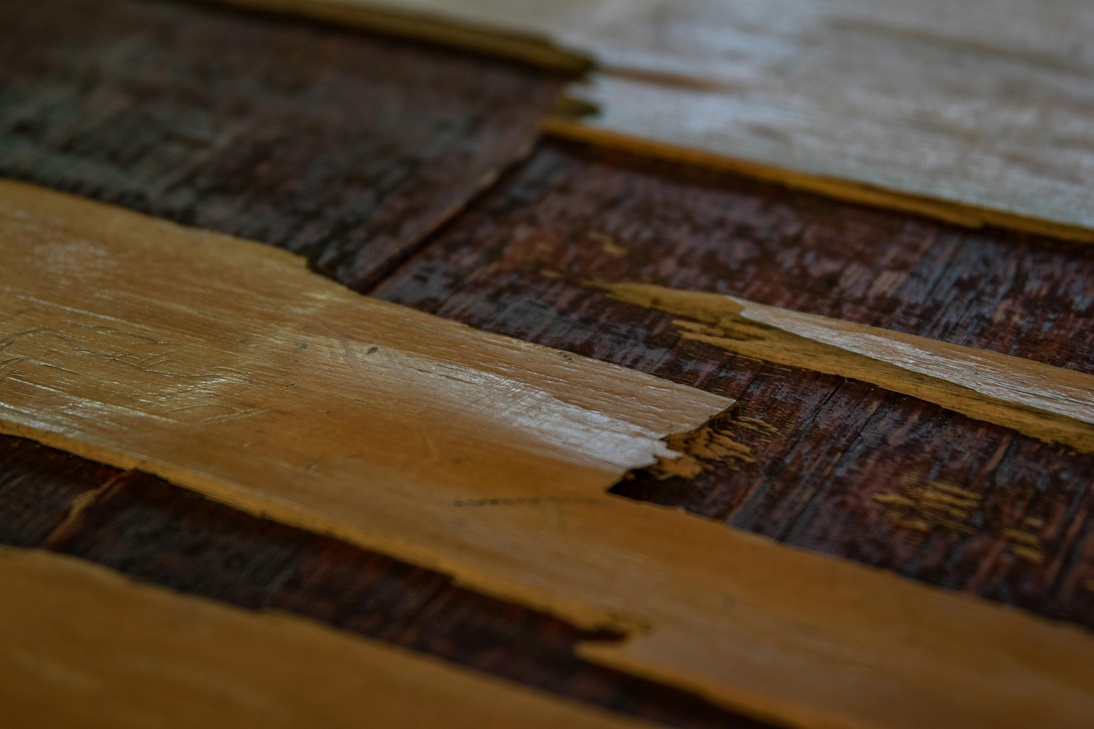
The call usually comes in a panic. A burst pipe at 2 AM, a forgotten running faucet, or the slow discovery of a leak that's been silently destroying floors for weeks. Water damage represents one of the most devastating threats to beautiful flooring, yet many homeowners don't understand the critical timeline for saving their investment or the hidden dangers that lurk beneath the surface.
At Heritage Hardwood Floors, we've responded to countless water emergencies across Plano, TX, and the difference between floors that can be saved and floors that must be replaced often comes down to hours, not days.
The First 24 Hours: A Race Against Destruction
Water doesn't just sit on your floor's surface—it actively seeks the path of least resistance, seeping between boards, penetrating finish cracks, and traveling along subfloor materials. Within the first hour, hardwood begins absorbing moisture like a sponge. By hour six, boards start expanding. Within 24 hours, irreversible cupping and warping can begin.
This timeline accelerates dramatically with warm water from burst hot water heaters or dishwasher malfunctions. Heat opens wood pores and speeds absorption, turning a salvageable situation into a replacement scenario in half the normal time.
The most insidious damage happens beneath the surface where you can't see it. Subfloor materials, particularly particle board and OSB commonly used in Texas construction, deteriorate rapidly when wet. Mold begins growing within 24 to 48 hours in dark, moist environments—exactly the conditions beneath wet flooring.
The Hidden Dangers Lurking Below
Many homeowners make the mistake of assuming their floors are fine once the surface dries. This false confidence leads to serious problems months later when mold colonies have established themselves, subfloors have weakened, and that musty smell just won't go away.
Professional water damage assessment involves moisture meters that detect hidden dampness in subflooring and wall cavities. What appears dry on the surface often conceals dangerous moisture levels beneath. These hidden pockets of moisture continue feeding mold growth and wood deterioration long after the initial incident seems resolved.
Certain flooring types handle water exposure better than others. Traditional hardwood, while beautiful, remains highly susceptible to water damage. Waterproof flooring options have revolutionized the industry, offering the aesthetic appeal of wood with dramatically improved water resistance—a consideration every homeowner should weigh when selecting new floors.
Restoration vs. Replacement: Making the Right Call
Not every water-damaged floor requires complete replacement. Professional assessment can determine whether sand and refinish procedures can restore boards that have experienced minor water exposure. Factors include the duration of exposure, the type of water involved, the species of wood, and the condition of the subfloor beneath.
Clean water from supply line breaks offers the best prognosis for restoration. Gray water from appliances presents moderate risk and requires more aggressive treatment. Black water from sewage backups or flooding typically necessitates complete removal due to contamination concerns that no amount of cleaning can fully address.
Preventing Future Disasters
Smart homeowners take proactive steps to protect their flooring investment. Water leak detectors placed near appliances, under sinks, and near water heaters provide early warning of problems. Regular inspection of supply lines, especially flexible connectors that deteriorate over time, catches failures before they happen.
Heritage Hardwood Floors helps Plano homeowners navigate the stressful aftermath of water damage, providing honest assessment of what can be saved and expert restoration when possible. We also guide clients toward waterproof flooring solutions in moisture-prone areas, combining beauty with practical protection against future incidents.


